

Top Crypto Cards people use cryptocurrency has evolved dramatically over the past decade. What once required technical knowledge, multiple exchanges, and complex wallet transfers has now become as simple as tapping a card at a checkout terminal. In 2026, crypto cards have become one of the most practical tools for bridging the gap between digital assets and everyday spending. Whether you want to pay for groceries, book flights, subscribe to online services, or manage business expenses, crypto cards make it possible to spend Bitcoin and altcoins without friction.
As crypto adoption continues to grow globally, more users are looking for seamless ways to integrate their digital assets into daily life. Crypto debit cards and crypto credit cards allow users to spend cryptocurrency anywhere traditional card payments are accepted, while conversions happen automatically in the background. This convenience has transformed crypto from a speculative investment into a usable financial asset.
However, not all crypto cards are created equal. Fees, reward structures, supported assets, custody models, and regional availability can vary significantly. Choosing the right card in 2026 requires understanding how these cards work, what features truly matter, and which options align best with your spending habits and risk tolerance. This guide explores the top crypto cards available in 2026, explains how they function, and helps you determine which one is best suited for spending Bitcoin and altcoins efficiently.
What Are Top Crypto Cards and Why They Matter in 2026
Crypto cards are payment cards that allow users to spend cryptocurrency in real-world transactions. These cards are typically linked to a crypto wallet or platform where users hold Bitcoin, Ethereum, stablecoins, or other digital assets. When a purchase is made, the card provider converts the crypto into fiat currency instantly, enabling the transaction to be processed through existing payment networks.
In 2026, crypto cards play a critical role in mainstream crypto adoption. They remove the complexity of converting crypto manually and eliminate the need for merchants to accept cryptocurrency directly. For users who earn income in crypto, hold long-term investments, or prefer decentralized financial tools, crypto cards provide unmatched convenience.

Another reason crypto cards matter today is flexibility. Many cards support multiple cryptocurrencies, allow users to choose which asset to spend, and offer real-time tracking through mobile apps. Combined with improved security features and better regulatory clarity in many regions, crypto cards are now a legitimate alternative to traditional banking tools.
How Crypto Cards Work Behind the Scenes
Despite their simplicity at the checkout counter, crypto cards rely on sophisticated infrastructure. When you pay with a crypto card, the merchant receives fiat currency, not crypto. The card issuer handles the conversion process instantly, deducting the equivalent value from your crypto balance. Most crypto cards operate under one of three models.
Real-Time Conversion Debit Model
This is the most common type of crypto debit card. Users preload their account with cryptocurrency or stablecoins, and each transaction triggers an automatic conversion to fiat. This model is popular because it feels familiar, works globally, and gives users direct control over spending balances.
Custodial Wallet-Based Cards
Many crypto cards require users to store their assets within the provider’s custodial wallet. While this reduces friction and improves transaction speed, it also means the provider controls the private keys. In exchange, users often gain access to rewards, analytics, and integrated financial services.
Credit and Collateral-Based Cards
Some advanced crypto cards allow users to spend without selling crypto by borrowing against it. These cards use digital assets as collateral and function similarly to a credit card. While this approach can help users avoid selling during market volatility, it introduces loan terms, interest rates, and liquidation risks. Understanding which model a card uses is essential when choosing the right crypto card in 2026.
Key Factors to Consider When Choosing Crypto Cards
With dozens of options on the market, selecting the best crypto cards requires focusing on what truly affects long-term value and usability.
Fees and Conversion Costs
One of the most overlooked aspects of crypto cards is the conversion spread. Even when a card advertises zero fees, the exchange rate used during conversion may include a markup. Additional costs can include foreign transaction fees, ATM withdrawal fees, and inactivity charges. Transparent pricing is a major indicator of a quality card.
Rewards and Cashback Programs
Many crypto cards offer crypto cashback, typically paid in Bitcoin, platform tokens, or stablecoins. While high reward percentages can be attractive, users should assess whether rewards are locked behind staking requirements or tiered programs. The best rewards are those that are easy to earn and easy to use.
Supported Cryptocurrencies
Not all crypto cards support the same assets. Some focus heavily on Bitcoin and Ethereum, while others emphasize stablecoins for smoother spending. In 2026, stablecoin-friendly crypto cards are often preferred for daily use due to lower volatility and simpler accounting.
Regional Availability
Availability varies by country, and regulatory environments can impact features. Some crypto cards are limited to specific regions, while others offer global coverage with localized compliance. Always confirm that a card is fully supported in your jurisdiction.
Security and Spending Controls
The best crypto cards include robust security features such as instant card freezing, transaction alerts, spending limits, and device authorization. These controls are essential for protecting funds and managing risk in everyday usage.
Crypto.com Visa Card
The Crypto.com Visa Card remains one of the most widely used crypto cards in 2026. It is deeply integrated into a full-featured crypto app that supports buying, selling, staking, and spending digital assets. Users fund the card through their account balance and earn crypto cashback based on their tier level.
This card is particularly appealing to users who want an all-in-one crypto ecosystem. Spending feels seamless, and the app provides detailed transaction insights. Higher reward tiers require staking the platform’s native token, which can increase returns but also introduces additional exposure.
For users comfortable with tier-based benefits and ecosystem loyalty, this remains one of the most versatile crypto cards available.
Coinbase One Card
Designed primarily for users within the Coinbase ecosystem, the Coinbase One Card has gained popularity for its focus on Bitcoin rewards. It allows users to earn crypto cashback on everyday purchases, with rewards paid directly in BTC.
In 2026, this card appeals to users who prefer simplicity and already trust Coinbase as their primary crypto platform. The card integrates seamlessly with existing accounts, making it easy to track spending and rewards in one place. The main consideration is that access is tied to a subscription-based membership, meaning users should evaluate whether the ongoing cost aligns with their spending habits and reward potential.
Wirex Card
Wirex has positioned itself as a rewards-focused option among crypto cards, emphasizing frequent spending and cashback incentives. The card supports multiple cryptocurrencies and allows users to earn rewards through everyday purchases. What makes Wirex stand out in 2026 is its emphasis on usability for daily transactions rather than occasional off-ramps. The app is designed for frequent spending, and rewards are structured to encourage regular card use. However, users should review how rewards are calculated and redeemed, as some programs involve points systems or tier-based multipliers.
Nexo Card
The Nexo Card offers a unique dual-mode approach that allows users to switch between debit and credit spending. In debit mode, users spend their crypto directly. In credit mode, they borrow against their crypto holdings without selling them.
This flexibility makes the Nexo Card one of the most strategic crypto cards in 2026, particularly for users who want to maintain long-term exposure to Bitcoin and altcoins. It is well-suited for larger purchases or users who understand collateral management. The trade-off is complexity. Credit-based crypto cards require careful monitoring of collateral values, interest rates, and repayment terms.
Ledger CL Card
The Ledger CL Card is designed for users who prioritize security and prefer alignment with hardware wallet ecosystems. It integrates with Ledger’s software environment and focuses on controlled spending rather than aggressive rewards.
In 2026, this card appeals to users who value transparency, minimal staking requirements, and a security-first mindset. While it may not offer the highest cashback rates, it provides peace of mind for users who want spending access without compromising their broader crypto custody strategy. As with all crypto cards, users should verify regional availability and supported assets before applying.
How to Choose the Best Crypto Cards for Your Needs
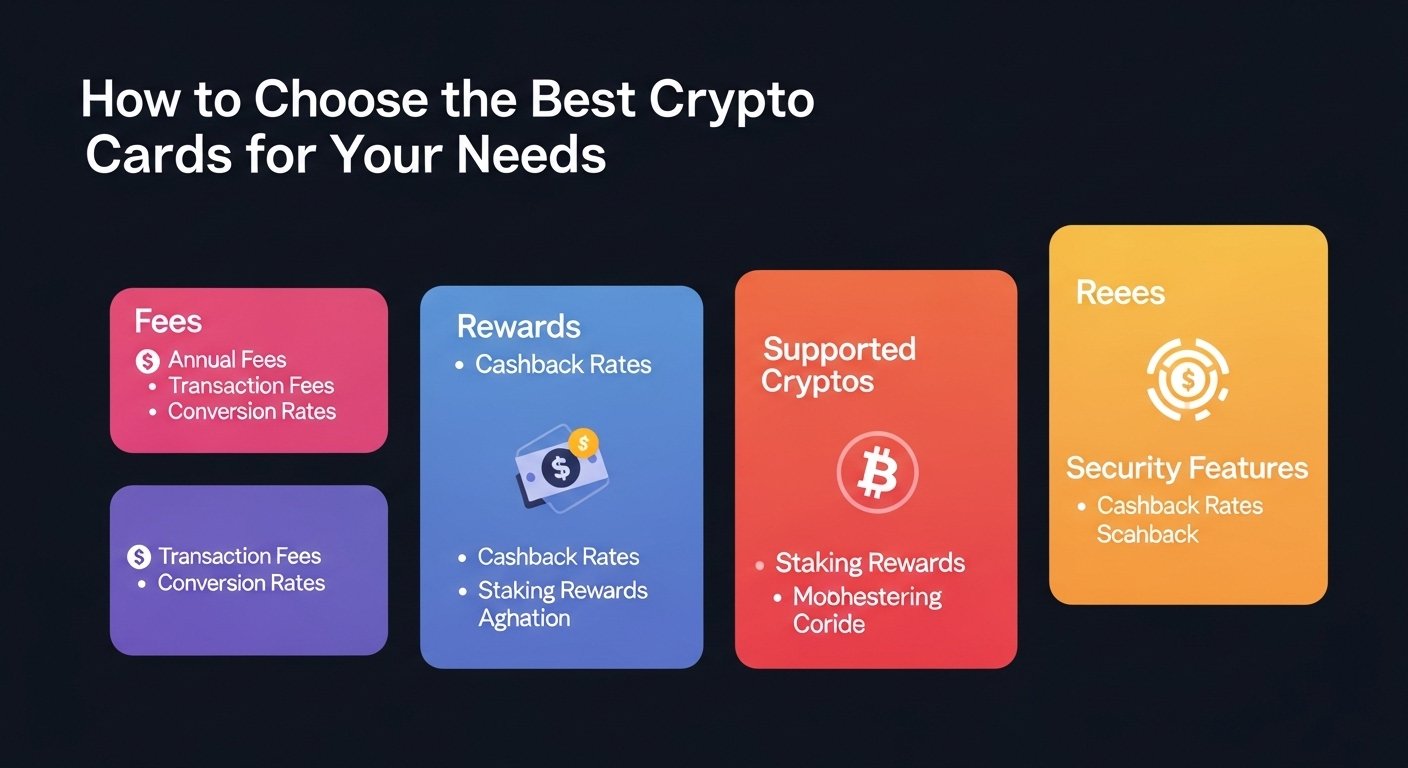
The best crypto cards are those that match your personal use case. If you want effortless spending, choose a prepaid-style crypto debit card with simple conversions. If rewards matter most, look for cards with straightforward cashback programs and minimal conditions. If preserving long-term crypto exposure is your priority, consider cards that support collateralized spending.
Many users in 2026 adopt a hybrid strategy, using stablecoins for everyday purchases while holding Bitcoin and altcoins separately. This approach reduces volatility, simplifies budgeting, and makes crypto cards far more practical for daily life.
Tax Considerations When Using Crypto Cards
Spending cryptocurrency through crypto cards can have tax implications depending on your jurisdiction. In many regions, spending crypto is treated as a taxable event, similar to selling an asset. This means that capital gains or losses may apply when using volatile assets like Bitcoin.
To reduce complexity, many users choose to spend stablecoins instead. Stablecoins typically have minimal price fluctuation, making them easier to manage from an accounting perspective. Regardless of strategy, users should maintain accurate records and seek professional guidance if needed.
Security Best Practices for Crypto Cards
Using crypto cards responsibly involves more than choosing the right provider. Users should enable all available security features, including two-factor authentication, instant card freezing, and spending notifications. Keeping only a limited balance on the card account can further reduce risk.
Diversifying custody by separating long-term holdings from spending balances is another common practice among experienced users. In 2026, security awareness remains a crucial part of successful crypto usage.
Conclusion
In 2026, crypto cards have become one of the most practical tools for spending Bitcoin and altcoins in everyday life. The best crypto cards combine usability, transparent fees, reliable rewards, and strong security features. Whether you choose a mainstream ecosystem card, a rewards-driven option, or a security-focused solution, the key is aligning the card’s structure with your financial habits.
By prioritizing stablecoin spending, understanding fee structures, and using rewards wisely, crypto cards can transform digital assets into a seamless payment experience. As adoption continues to grow, these cards represent one of the clearest paths toward real-world crypto utility.
FAQs
Q: Are crypto cards suitable for daily spending in 2026?
Yes, crypto cards are widely used for everyday purchases in 2026. With improved reliability and global acceptance, they function much like traditional debit cards.
Q: Can I spend Bitcoin directly with crypto cards?
Yes, most crypto cards allow you to spend Bitcoin, although many users prefer stablecoins for daily transactions due to lower volatility.
Q: Do crypto cards charge hidden fees?
Some crypto cards include conversion spreads or foreign exchange markups. Always review fee structures carefully before choosing a card.
Q: Are rewards from crypto cards worth it?
Rewards can be valuable if they align with your spending habits. Simple crypto cashback programs are usually more beneficial than complex tier-based systems.
Q: What is the safest way to use crypto cards?
The safest approach is to keep limited funds on the card account, enable all security controls, and store long-term assets separately from spending balances.
