

Robinhood starts testing its own blockchain at a pivotal time for both the company and the broader digital asset industry. What began as a commission-free trading app that reshaped retail investing is now evolving into a platform that could help redefine how assets are issued, traded, and settled. By moving deeper into crypto infrastructure and tokenization, Robinhood is signaling that it sees blockchain not just as an add-on feature—but as a foundational layer for the future of finance.
The significance of this development lies in the convergence of traditional brokerage services and onchain finance. Tokenization—the process of representing real-world assets as blockchain-based tokens—has been gaining momentum across equities, bonds, funds, and even private company shares. When Robinhood starts testing its own blockchain, it is effectively positioning itself to control more of the technical rails that could support this shift.
This move comes amid growing institutional interest in real-world asset (RWA) tokenization, Ethereum scaling solutions, and faster settlement systems. Rather than relying entirely on third-party networks, Robinhood appears to be building its own ecosystem to power tokenized stocks, programmable assets, and seamless integration between brokerage accounts and blockchain infrastructure. The implications stretch far beyond crypto speculation—they touch market structure, compliance, liquidity, and investor access.
Why Robinhood Starts Testing Its Own Blockchain
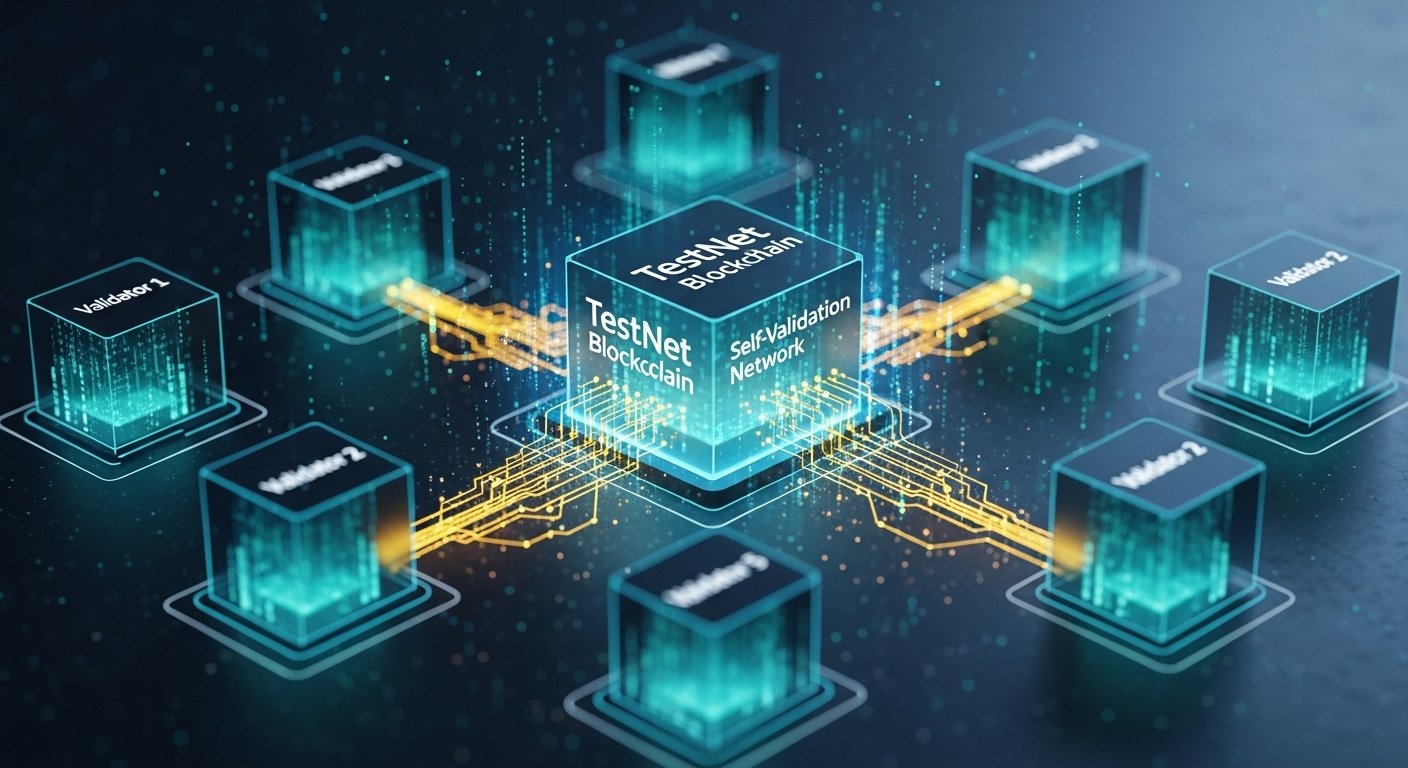
When Robinhood starts testing its own blockchain, it marks a transition from being a crypto-access platform to becoming a crypto-infrastructure provider. Testing suggests a phased rollout, beginning with a public testnet designed to validate scalability, performance, and regulatory integration before broader adoption.
The core goal appears to center on tokenization efficiency. Traditional financial markets operate within structured hours and often rely on settlement cycles that introduce friction. Blockchain-based systems offer near-instant settlement, transparent ledgers, and programmable asset logic. By building its own chain, Robinhood can tailor these capabilities specifically to brokerage needs.
This strategy allows Robinhood to optimize transaction costs, manage user experience, and integrate compliance features at the protocol level. Instead of adapting to existing public networks’ limitations, it can design infrastructure aligned with its product roadmap. That includes potential integration with Ethereum layer-2 scaling solutions, which reduce congestion and transaction fees while maintaining compatibility with Ethereum’s security model.
The Role of Ethereum Layer-2 Technology
A key technical component in the narrative surrounding Robinhood starts testing its own blockchain is the use of Ethereum layer-2 (L2) technology. Ethereum remains the dominant smart contract platform, but high gas fees and network congestion can limit consumer-scale financial applications.
Layer-2 networks solve this by processing transactions off the main Ethereum chain and periodically anchoring results back to Ethereum for security verification. This approach improves speed and cost efficiency while retaining decentralization benefits.
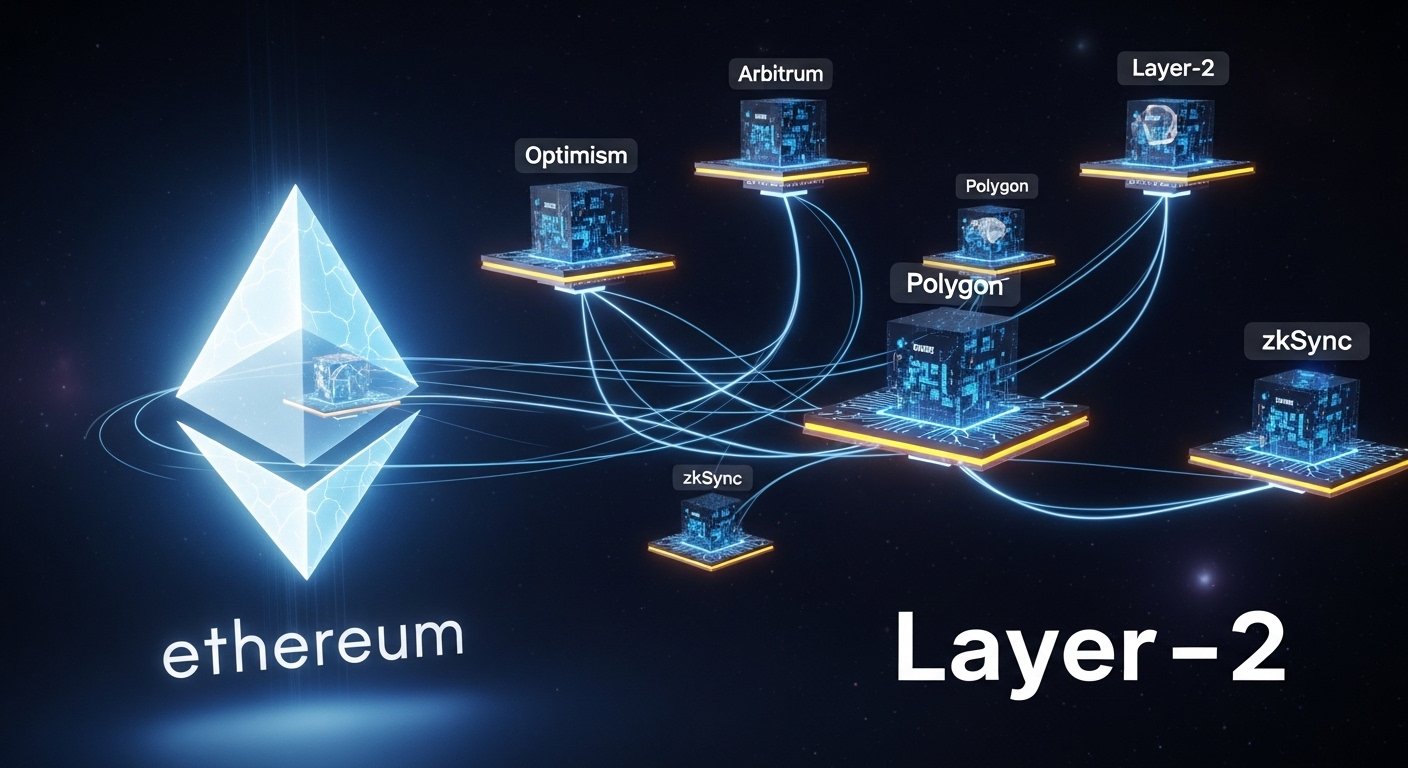
For a brokerage platform aiming to tokenize stocks or other regulated instruments, scalability is critical. High transaction fees would discourage frequent trading and micro-investing. L2 infrastructure makes high-volume tokenized trading more practical. It also ensures compatibility with existing Ethereum tooling, smart contracts, and wallet ecosystems. By leveraging Ethereum’s ecosystem while customizing its own network environment, Robinhood can strike a balance between openness and control.
Tokenization: The Engine Behind the Push
The deeper reason Robinhood starts testing its own blockchain is the growing relevance of tokenized assets. Tokenization enables assets such as stocks, bonds, funds, and private equity to be represented digitally on a blockchain. This transformation has several theoretical advantages. It allows fractional ownership, faster settlement, programmable dividends, and extended trading access. It may also reduce reliance on intermediaries by automating processes traditionally handled by clearinghouses or transfer agents.
However, tokenization is not simply a technical upgrade. It reshapes how ownership, rights, and compliance are structured. Not all tokenized stock products represent direct equity ownership. Some provide price exposure rather than voting rights or shareholder privileges. Clarity around these distinctions will determine how successful tokenized products become. If Robinhood can combine transparency with efficiency, its blockchain initiative could accelerate mainstream adoption of tokenized securities.
From Brokerage App to Infrastructure Builder
Robinhood’s identity is evolving. When Robinhood starts testing its own blockchain, it indicates a shift from being a user-facing fintech app to an infrastructure layer that others might build upon. Infrastructure ownership offers several advantages. It allows tighter integration between wallets and brokerage accounts. It supports instant settlement and programmable asset features. It may even enable third-party developers to build applications atop Robinhood’s rails, expanding the ecosystem.
Control over infrastructure also protects against dependency risks. Relying solely on external blockchains limits flexibility. By developing its own network, Robinhood can adapt faster to regulatory shifts, product innovations, and market demands. This approach mirrors trends seen across the crypto industry, where major platforms build proprietary networks to reduce costs and optimize user experience.
Testing Its Own Blockchain and Compliance Considerations
Any discussion of Robinhood starts testing its own blockchain must include regulation. Tokenized stocks and other blockchain-based securities do not escape securities laws simply because they are digital. Regulators typically focus on investor protections, disclosure standards, and market integrity. Tokenized products must clearly define what rights token holders receive. Are they direct shareholders? Do they have voting rights? How are corporate actions handled?
Embedding compliance mechanisms directly into blockchain infrastructure could become a defining feature. For example, smart contracts can restrict transfers to approved wallets or jurisdictions. Identity-linked wallets could support anti-money laundering (AML) requirements. However, there is a balance to strike. Overly restrictive controls could undermine the open composability that defines much of decentralized finance. Robinhood must navigate between regulatory alignment and user flexibility.
Tokenized Stocks: Promise and Complexity
Tokenized stocks are among the most discussed applications of blockchain in finance. When Robinhood starts testing its own blockchain, tokenized equities are widely viewed as a potential centerpiece. The promise is compelling. Investors could trade tokenized shares beyond traditional market hours. Settlement could occur almost instantly. Fractional ownership becomes easier. Global access expands.
But complexity remains. Tokenized exposure does not always equal equity ownership. Price tracking mechanisms require liquidity providers and reliable market data. If liquidity is thin, prices can diverge from the underlying asset. To succeed, Robinhood must ensure robust liquidity structures and transparent communication. The technology must enhance trust—not create confusion.
Real-World Asset (RWA) Tokenization
Beyond stocks, real-world asset tokenization represents a massive potential market. Funds, bonds, commodities, and private assets can theoretically be digitized and traded onchain. When Robinhood starts testing its own blockchain, it positions itself within this broader RWA narrative. Institutional players are increasingly exploring tokenization to streamline back-office processes and unlock new liquidity channels.
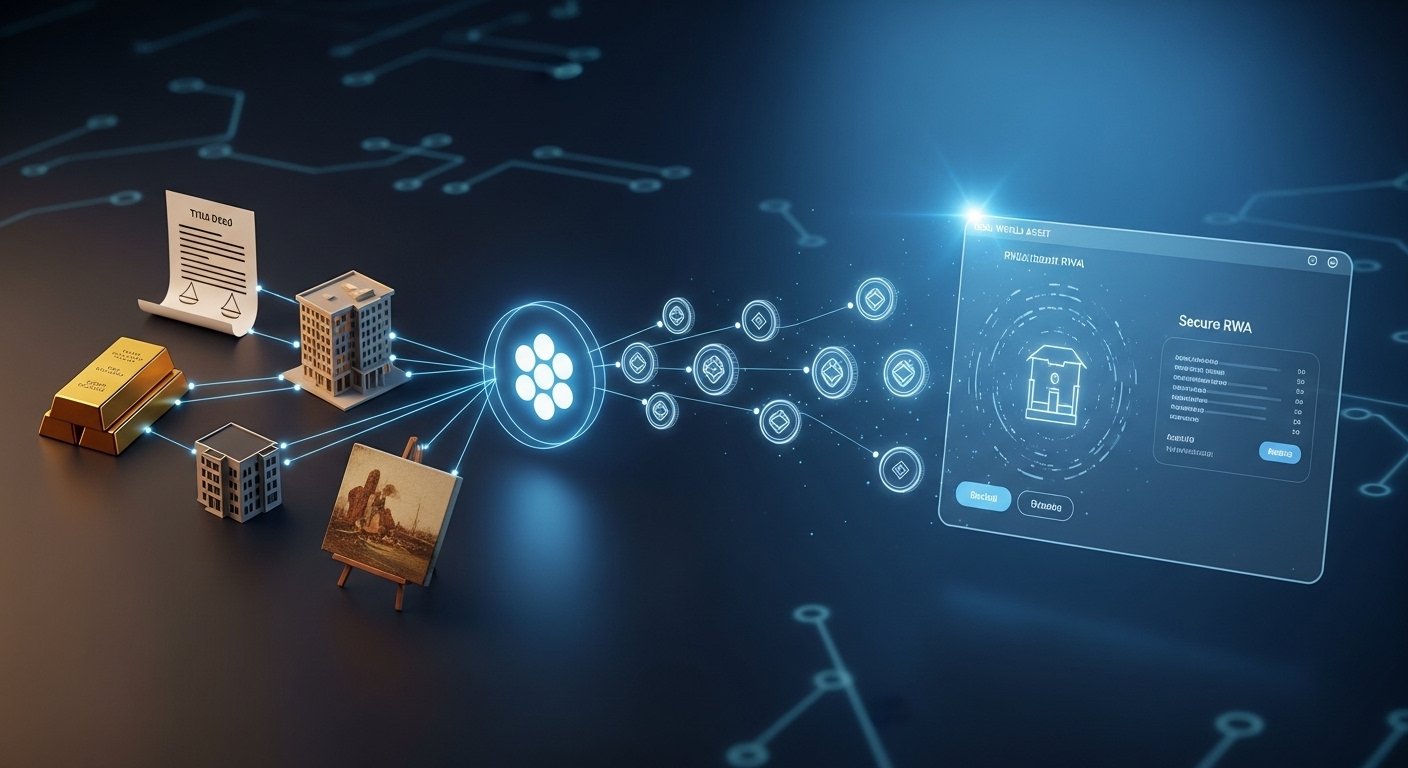
A dedicated blockchain network optimized for RWAs could enable programmable compliance, automated income distribution, and improved transparency. Over time, this could reshape how investors access alternative assets. Robinhood’s retail user base provides a distribution advantage. If tokenized RWAs become mainstream, Robinhood’s platform could serve as a gateway between traditional investors and onchain markets.
Competitive Landscape and Industry Momentum
Robinhood is not alone in pursuing tokenization. Exchanges, fintech firms, and crypto-native platforms are racing to build scalable blockchain infrastructure. When Robinhood starts testing its own blockchain, it joins a competitive field focused on settlement innovation and digital asset issuance. Owning the infrastructure could provide strategic leverage. It allows cost optimization and differentiated product offerings.
Competition will likely revolve around three pillars: user experience, regulatory clarity, and liquidity depth. The platforms that align all three effectively will shape the future of tokenized finance. Robinhood’s brand recognition and retail trust give it an edge, but execution will determine whether that advantage translates into long-term leadership.
Risks and Open Questions
While the announcement that Robinhood starts testing its own blockchain generates excitement, several uncertainties remain. Technical risks include scalability under real-world trading loads. Regulatory risks include evolving guidance on tokenized securities. Market risks involve liquidity stability and price integrity during volatile periods.
There is also the broader reputational question. Tokenization has faced skepticism from traditional financial leaders who argue that certain tokenized products may lack transparency or full shareholder rights. Robinhood must demonstrate that its blockchain initiative enhances—not dilutes—investor protections. Transparency, education, and careful product design will be critical.
The Future of Onchain Brokerage
The deeper implication of Robinhood starts testing its own blockchain is the potential emergence of the onchain brokerage model. In such a model, brokerage accounts interface directly with blockchain-based settlement layers. Assets exist natively as programmable tokens. Trading, lending, and collateralization operate continuously.
This vision aligns with broader crypto industry goals: reducing intermediaries, increasing transparency, and enabling programmable finance. Yet it also integrates the safeguards and regulatory frameworks of traditional finance. If executed well, Robinhood’s blockchain could become a hybrid system—combining decentralization’s efficiency with regulated brokerage oversight.
Conclusion
Robinhood starts testing its own blockchain as part of a broader strategic shift toward deeper crypto integration and tokenization leadership. By leveraging Ethereum layer-2 technology and focusing on tokenized stocks and real-world assets, the company is building infrastructure that could reshape how retail investors interact with digital and traditional assets alike.
The success of this initiative will depend on scalability, regulatory clarity, product transparency, and liquidity strength. Tokenization holds transformative potential, but only if implemented responsibly and clearly. As blockchain adoption accelerates across financial markets, Robinhood’s move signals that the future of investing may increasingly operate onchain—where brokerage services and blockchain infrastructure converge into a unified financial experience.
FAQs
Q: Why did Robinhood start testing its own blockchain?
Robinhood started testing its own blockchain to support tokenized assets, improve settlement speed, lower transaction costs, and integrate crypto infrastructure directly into its brokerage ecosystem.
Q: What is tokenization in finance?
Tokenization is the process of converting real-world assets like stocks or bonds into blockchain-based digital tokens that can be traded and settled onchain.
Q: Does tokenized stock mean I own actual shares?
Not always. Some tokenized stocks provide price exposure rather than direct ownership with voting rights. Investors should carefully review product details.
Q: What is Ethereum layer-2 technology?
Ethereum layer-2 networks process transactions off the main Ethereum blockchain to improve speed and reduce fees while maintaining security.
Q: How could this impact retail investors?
If successful, Robinhood’s blockchain could enable faster settlement, extended trading hours, fractional ownership expansion, and broader access to tokenized real-world assets.
See More: Survey Reveals Shift From DeFi to Core Blockchain Infra
