

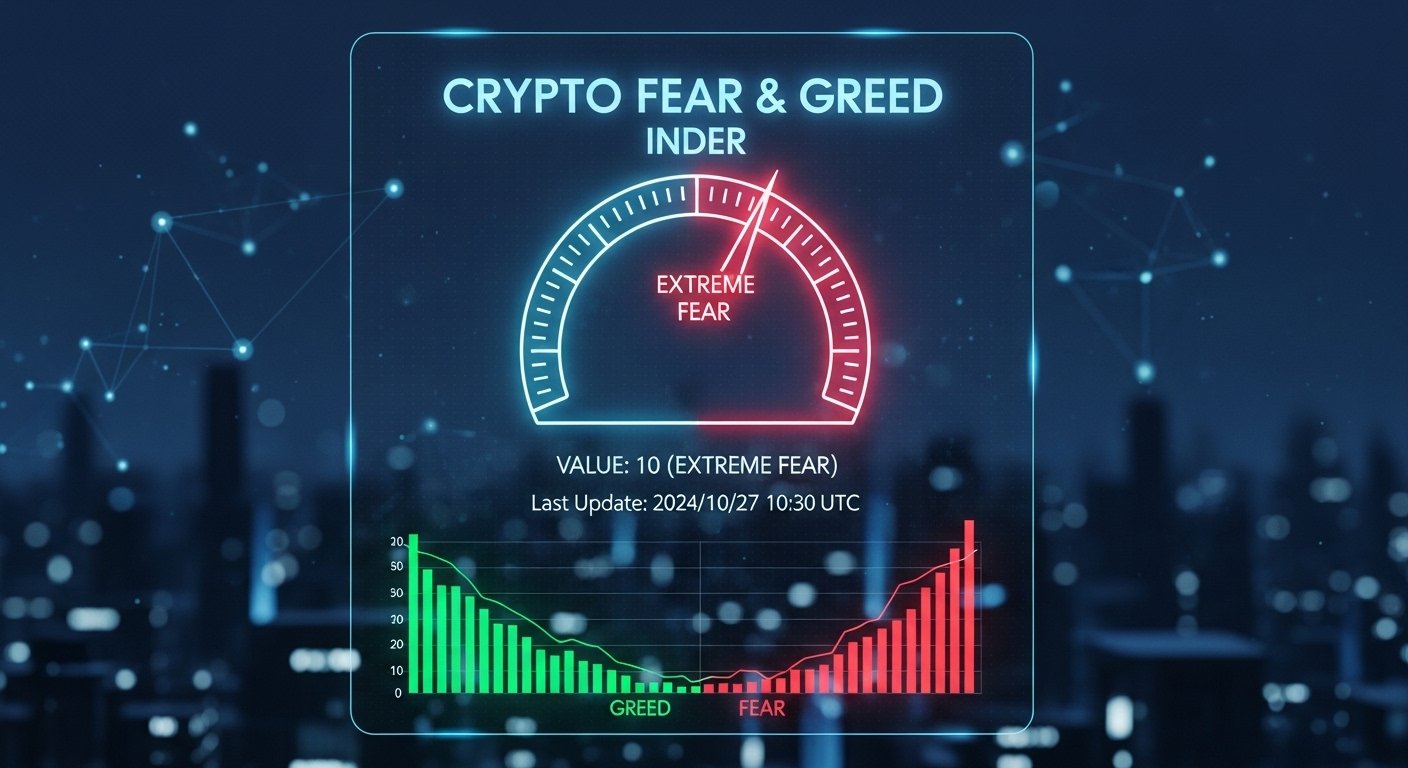
Crypto Fear and Greed Index has become one of the most watched sentiment gauges in digital assets because it captures something charts alone often miss: how investors feel right now. In crypto, feelings can turn into flows, and flows can turn into trends. When the Crypto Fear and Greed Index begins shifting from fear toward greed, the market often transitions from caution to confidence. That confidence doesn’t always stop at Bitcoin. In many historical cycles, improving sentiment has been the spark that eventually lights a broader rally—first in majors, then in large-cap altcoins, and finally in the smaller, more speculative corners of the market. That’s exactly why traders are asking whether the latest moves in the Crypto Fear and Greed Index could be hinting at an upcoming altcoin season.
Altcoin season isn’t a single event that happens overnight. It’s a rotation—capital flowing from Bitcoin into alternative assets as risk appetite rises, narratives strengthen, and traders hunt for higher beta opportunities. The Crypto Fear and Greed Index can help frame that rotation because it reflects the crowd’s willingness to take risk. When fear dominates, investors cling to perceived safety and liquidity. When greed starts creeping in, the market’s psychology changes: dips look like opportunities, leverage increases, and portfolio allocations expand beyond Bitcoin. In that environment, Ethereum, top layer-1s, and narrative-driven tokens often begin outperforming.
Still, sentiment isn’t a crystal ball. The Crypto Fear and Greed Index is most useful when combined with other cycle indicators like Bitcoin dominance, stablecoin liquidity, volume expansion, and the health of on-chain activity. In this article, we’ll explore what the Crypto Fear and Greed Index measures, why it can hint at a coming altcoin season, and how to read it in a way that stays grounded—so you can make smarter decisions without getting swept away by hype.
Crypto Fear and Greed Index
The Crypto Fear and Greed Index is designed to summarize market sentiment on a simple scale that ranges from extreme fear to extreme greed. While crypto traders love data, sentiment is often the hidden driver behind sudden rallies and sharp sell-offs. The Crypto Fear and Greed Index translates a messy, emotional marketplace into a single number that’s easy to reference, compare, and track over time.
At its core, the Crypto Fear and Greed Index reflects a classic behavioral pattern: markets tend to overreact. During fear, prices can fall further than fundamentals justify. During greed, prices can run hotter than logic suggests. Because crypto trades 24/7 and is heavily influenced by social momentum, these emotional swings can become amplified. That’s why the Crypto Fear and Greed Index resonates with both new investors looking for clarity and experienced traders looking for confirmation.
What the Index Measures and Why It Matters
Although the exact weighting can vary depending on the publisher, the Crypto Fear and Greed Index generally pulls from multiple inputs connected to market sentiment. These inputs typically include volatility, volume, trend strength, and social interest—signals that collectively indicate whether the crowd is anxious or euphoric. When the Crypto Fear and Greed Index rises, it suggests traders are more willing to buy, hold risk, and chase breakouts. When it drops, it implies caution, defensive positioning, and a preference for safety.
This matters because crypto is a reflexive market: sentiment moves price, and price reinforces sentiment. When price rises, confidence returns; when confidence returns, more capital flows in; and when capital flows in, altcoins often receive a disproportionate share once Bitcoin’s initial move stabilizes. In other words, a strengthening Crypto Fear and Greed Index can be an early clue that the market is preparing for broader participation.
Crypto Fear and Greed Index Sentiment Translates Into Capital Rotation
Capital rotation is where the Crypto Fear and Greed Index becomes especially relevant. In early recoveries, Bitcoin often leads because it has the deepest liquidity and the clearest “macro” narrative. But as the Crypto Fear and Greed Index improves and traders feel safer taking risk, money starts spreading outward. Large-cap altcoins tend to benefit first, followed by mid-caps, followed by smaller, narrative-driven projects.
This rotation isn’t random—it’s psychological. When the Crypto Fear and Greed Index is low, investors fear getting trapped in illiquid tokens during a downturn. When the Crypto Fear and Greed Index improves, they become more comfortable exploring higher volatility assets in exchange for higher potential returns. That shift in mindset is one of the fundamental ingredients of altcoin season.
What Altcoin Season Really Means
The phrase altcoin season gets thrown around constantly, but it has a specific meaning in practice: a period where a broad set of altcoins outperform Bitcoin over a sustained timeframe. It’s not simply “altcoins going up.” It’s relative outperformance. Bitcoin can still rise during altcoin season, but altcoins rise more, often by a wide margin.
The Crypto Fear and Greed Index often plays a role because altcoin season thrives when risk appetite expands. If sentiment stays fragile, money tends to return to Bitcoin on any sign of trouble. But when the Crypto Fear and Greed Index is trending upward and the market is stable enough to encourage speculation, altcoins can build momentum.
The Role of Bitcoin Dominance in Altcoin Season
One of the most common confirmations of altcoin season is a decline in Bitcoin dominance—the share of total crypto market capitalization held by Bitcoin. When Bitcoin dominance is rising, Bitcoin is typically outperforming the rest of the market. When Bitcoin dominance falls, it suggests capital is rotating into altcoins.
The Crypto Fear and Greed Index can be an early sentiment signal that sets up this shift. When the Crypto Fear and Greed Index climbs from fear to neutral, Bitcoin often leads. When the Crypto Fear and Greed Index pushes into greed and stays there, traders are more likely to diversify and chase higher beta. That’s when Bitcoin dominance can soften, creating a more favorable backdrop for altcoin season.
Why Ethereum Often Becomes the Bridge Asset
In many cycles, Ethereum acts as the bridge between Bitcoin leadership and a broader altcoin run. Traders often treat Ethereum as a higher-beta major with strong liquidity, making it an attractive next step once the Crypto Fear and Greed Index improves. If Ethereum begins outperforming Bitcoin, it can signal that the market is shifting from “safety first” to “growth and narratives.”
That’s why an improving Crypto Fear and Greed Index paired with strengthening ETH/BTC dynamics can be particularly telling. It suggests not only that sentiment is improving, but that traders are willing to rotate into assets with more volatility—one of the defining traits of altcoin season.
Why the Crypto Fear and Greed Index Can Hint at an Upcoming Altcoin Season
The Crypto Fear and Greed Index doesn’t “predict” altcoin season in a guaranteed way, but it can hint at the conditions that often precede it. Think of the Crypto Fear and Greed Index as a thermometer for risk appetite. Altcoin season usually needs a warm environment—confidence, liquidity, and narrative energy. When the Crypto Fear and Greed Index is rising steadily rather than spiking briefly, it can indicate that the market’s confidence is becoming more durable.
Greed Signals Risk-On Behavior
When the Crypto Fear and Greed Index moves into greed, traders tend to exhibit risk-on behavior. That can show up as increased leverage, more aggressive dip-buying, and faster rotation into emerging themes. In this phase, money doesn’t just chase Bitcoin breakouts; it searches for the next outperformer. That’s why rising readings in the Crypto Fear and Greed Index are frequently associated with expanding participation across multiple sectors—layer-1s, DeFi, gaming, AI-related tokens, and meme coins.
The key is persistence. A brief pop in the Crypto Fear and Greed Index can occur during a short squeeze or a news-driven spike. But a sustained uptrend suggests confidence is growing beneath the surface. Sustained confidence is the kind of fuel that often leads into altcoin season.
Fear Creates Consolidation, Which Sets the Stage
Oddly, fear can be part of the setup too. Deep fear phases tend to flush out leverage and weak hands, reducing selling pressure over time. When the Crypto Fear and Greed Index has spent a while in fear and begins climbing, it can mark a transition from capitulation to recovery. Recoveries often start with Bitcoin, then spread outward as investors re-engage. So if the Crypto Fear and Greed Index is coming off fear lows and the market begins forming higher lows, it can hint that the next phase is brewing. If liquidity improves and narratives return, that phase can evolve into altcoin season.
Social Momentum and Narrative Heat
Crypto is narrative-driven, and the Crypto Fear and Greed Index tends to respond to the same social feedback loops that drive narratives. When sentiment improves, attention increases. When attention increases, certain themes catch fire. Once those themes catch fire, capital rotates faster, and smaller tokens can move violently.
In an environment where the Crypto Fear and Greed Index is climbing, traders are more likely to experiment with new sectors. That experimentation is often the heartbeat of altcoin season, when multiple categories rally at once and correlations shift in favor of risk.
Key Signals to Watch Alongside the Crypto Fear and Greed Index
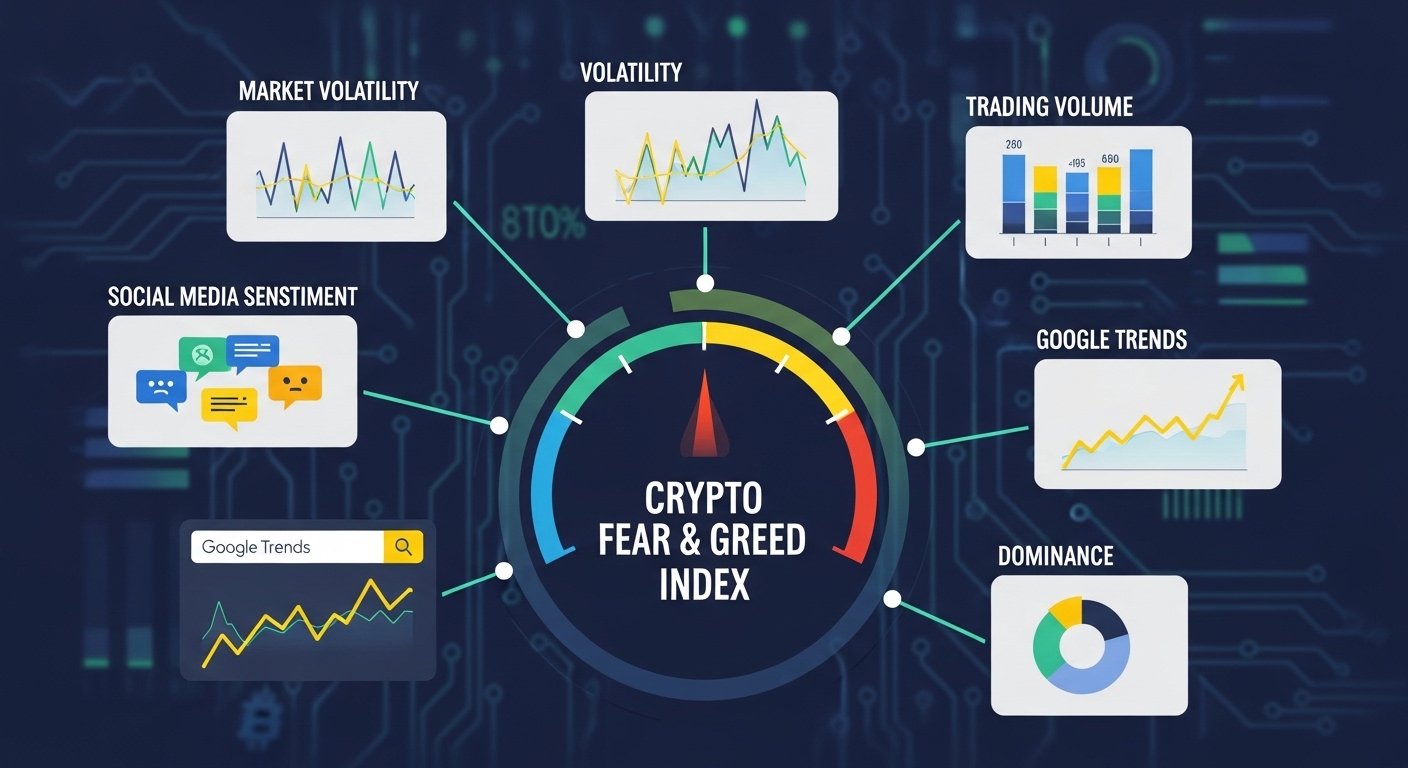
The smartest way to use the Crypto Fear and Greed Index is as part of a checklist. Sentiment can change fast, and a single indicator can be misleading on its own. When the Crypto Fear and Greed Index aligns with other “risk-on” signals, the case for an upcoming altcoin season becomes stronger.
Liquidity Conditions and Stablecoin Flows
Altcoin season usually needs liquidity—fresh capital entering the system or at least circulating more aggressively. When stablecoin liquidity rises or stablecoins move onto exchanges, it can suggest dry powder is ready to deploy. In that context, a rising Crypto Fear and Greed Index is more meaningful because it indicates traders are not only able to buy but willing to buy.
When liquidity is tight, the Crypto Fear and Greed Index can improve briefly, yet rallies fade because there isn’t enough sustained demand. But when liquidity and sentiment rise together, rotations can become powerful and self-reinforcing—often the hallmark of altcoin season.
Volume Expansion and Breadth
Altcoin season isn’t just one token pumping. It’s market breadth expanding. If the Crypto Fear and Greed Index rises while overall volumes increase and more coins start making new highs, that’s a healthier signal than a narrow rally. Breadth indicates participation is spreading, and spreading participation is how altcoin season forms.
A particularly constructive pattern is when Bitcoin rallies first, then consolidates while volumes and attention shift to Ethereum and other majors. In that situation, the Crypto Fear and Greed Index often remains elevated because confidence stays high even as leadership rotates.
Bitcoin Consolidation After a Run
Many altcoin seasons begin when Bitcoin stops being the only story. After a strong move, Bitcoin may enter a consolidation phase. Traders who don’t want to sit through sideways action start looking for opportunities elsewhere. If the Crypto Fear and Greed Index remains positive during this consolidation, it suggests the market is not panicking—it’s simply rotating.
This is a classic recipe: Bitcoin strength builds the base, sentiment rises via the Crypto Fear and Greed Index, then capital searches for more explosive upside in altcoins. When that rotation accelerates, altcoin season becomes visible across the board.
Common Misreads of the Crypto Fear and Greed Index
Because it’s simple and emotionally resonant, the Crypto Fear and Greed Index can be misused. Traders sometimes treat it like an on/off switch: greed means “buy everything,” fear means “sell everything.” But markets rarely reward that kind of simplicity.
Greed Can Mean Momentum, Not a Top
A high Crypto Fear and Greed Index can indicate overheating, but it can also indicate healthy momentum. In strong uptrends, greed can persist longer than skeptics expect. The more useful question is whether greed is accelerating dangerously or stabilizing as part of a sustained trend. If greed spikes extremely fast and price goes vertical, it can hint at froth. If greed climbs steadily alongside rising participation, it can be consistent with the early and middle stages of altcoin season.
Fear Can Be Opportunity, Not Doom
Likewise, fear isn’t always bearish. Some of the best long-term entries occur when the Crypto Fear and Greed Index is depressed and the market is pricing in worst-case scenarios. If fear is paired with stabilizing price structure and improving on-chain health, it can hint that downside is exhausting. That transition—fear easing into neutrality—often happens before broader rallies. In other words, the Crypto Fear and Greed Index is most powerful when you watch it change, not when you stare at a single number.
Practical Framework for Using the Crypto Fear and Greed Index in Altcoin Season Planning
If the Crypto Fear and Greed Index is hinting at an upcoming altcoin season, the goal isn’t to predict the exact start date. It’s to prepare intelligently. Preparation means understanding your time horizon, your risk tolerance, and the signals that confirm or invalidate your thesis.
Start with the direction of the Crypto Fear and Greed Index. A rising trend from fear to neutral often suggests recovery. A stable move into greed can suggest a healthier risk-on phase. Next, watch whether Bitcoin dominance is holding or fading. Then watch whether Ethereum begins to lead. Finally, look for expanding breadth across altcoins.
This layered approach helps you avoid the biggest trap in crypto: overreacting to a single sentiment print. The Crypto Fear and Greed Index can hint at an upcoming altcoin season, but confirmation comes from rotation, liquidity, and participation. Another important factor is emotional discipline. When the Crypto Fear and Greed Index is high, it’s easy to chase. When the Crypto Fear and Greed Index is low, it’s easy to freeze. The best outcomes usually come from being steady while everyone else is swinging between extremes.
Conclusion
The Crypto Fear and Greed Index is one of the clearest windows into crypto’s collective psychology, and psychology often drives capital rotation. When the Crypto Fear and Greed Index trends upward—especially from fear into neutral and then toward greed—it can hint that risk appetite is returning. That returning appetite is a key ingredient for altcoin season, where capital spreads beyond Bitcoin into Ethereum, large-cap altcoins, and eventually more speculative narratives.
Still, the Crypto Fear and Greed Index works best as a companion, not a commander. Pair it with Bitcoin dominance, liquidity signals, volume expansion, and market breadth to judge whether the conditions for altcoin season are truly forming. If you treat the Crypto Fear and Greed Index as a guide to crowd behavior rather than a guarantee of price action, it can help you stay grounded, prepared, and strategically positioned for what may come next.
FAQs
Q: What is the Crypto Fear and Greed Index used for?
The Crypto Fear and Greed Index is used to gauge market sentiment by summarizing whether traders are acting fearful or greedy. Investors often use the Crypto Fear and Greed Index to contextualize risk appetite and avoid making emotional decisions when the crowd becomes extreme.
Q: Does a high Crypto Fear and Greed Index guarantee a market top?
No. A high Crypto Fear and Greed Index can signal overheating, but it can also reflect sustained momentum in a strong uptrend. The best use of the Crypto Fear and Greed Index is to watch whether greed is accelerating sharply or remaining stable during healthy price advances.
Q: How does the Crypto Fear and Greed Index relate to altcoin season?
The Crypto Fear and Greed Index relates to altcoin season because altcoin outperformance typically requires risk-on behavior. When the Crypto Fear and Greed Index rises, traders often become more willing to rotate into higher volatility assets, which can support broader altcoin rallies.
Q: What other indicators confirm an upcoming altcoin season?
An upcoming altcoin season is often confirmed when Bitcoin dominance starts to fall, Ethereum begins outperforming Bitcoin, volumes expand, and market breadth improves. When these align with a rising Crypto Fear and Greed Index, the setup for altcoin season tends to look stronger.
Q: How should beginners use the Crypto Fear and Greed Index safely?
Beginners should use the Crypto Fear and Greed Index as context rather than a trading signal. When the Crypto Fear and Greed Index is extreme, consider slowing down decision-making and checking broader confirmation like trend structure, liquidity, and overall participation before taking on additional risk.
See More: Boerse Stuttgart Digital–Tradias Merger Builds EU Crypto Hub
