

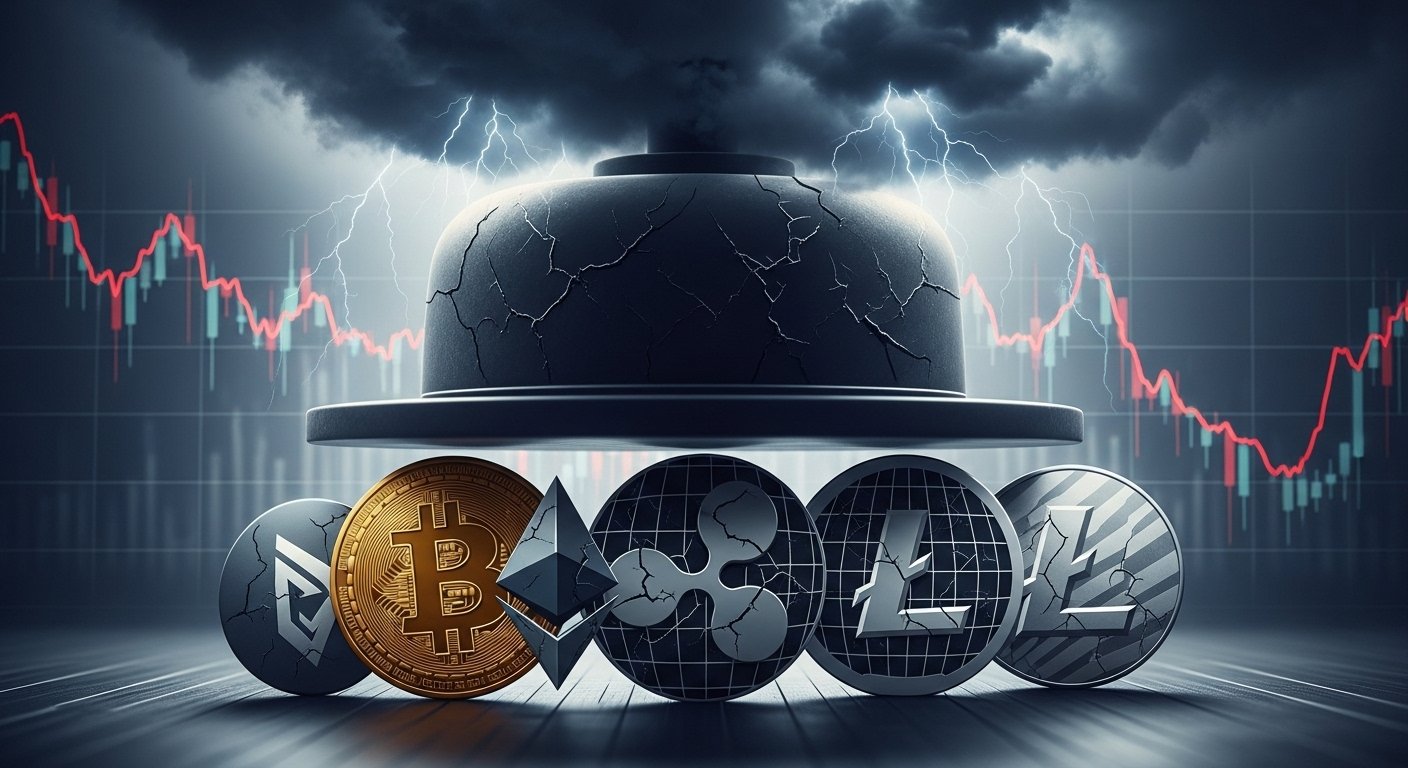
Global financial landscape has once again been rattled by rising geopolitical tensions in the Middle East. As news of Iran strikes spread across international headlines, investors reacted swiftly, triggering volatility across traditional and digital markets alike. In particular, cryptocurrencies under pressure became a defining theme as traders scrambled to interpret the implications of escalating conflict.
For years, digital assets like Bitcoin, Ethereum, and other altcoins have been described as alternative safe havens during periods of political or economic turmoil. However, recent developments reveal a more nuanced reality. Rather than acting purely as protective assets, cryptocurrencies often respond dynamically to geopolitical uncertainty, influenced by global liquidity, investor sentiment, and risk appetite.
In this in-depth analysis, we explore why cryptocurrencies under pressure as Iran strikes stir uncertainty is more than just a headline. We examine market reactions, investor psychology, macroeconomic implications, historical comparisons, and what the road ahead may look like for digital assets.
Geopolitical Tensions and Financial Market Reactions
Geopolitical shocks have always played a central role in shaping global financial markets. From oil price spikes to currency fluctuations, uncertainty tends to create ripple effects across asset classes. When Iran strikes intensified tensions in the region, markets responded immediately. Stock markets experienced volatility, energy prices surged, and investors rushed toward perceived safe-haven assets such as gold and the US dollar. At the same time, cryptocurrencies under pressure became evident as Bitcoin and major altcoins saw sharp price swings.
Why Geopolitical Events Impact Crypto Markets
Unlike traditional markets that operate within specific trading hours, cryptocurrency markets function 24/7. This constant accessibility makes digital assets particularly sensitive to breaking news. As reports of Iran strikes emerged, crypto traders reacted in real time. Heightened uncertainty typically reduces investor risk appetite.

Since cryptocurrencies are still widely considered risk-on assets, they often face selling pressure during geopolitical crises. This explains why cryptocurrencies under pressure is becoming a recurring pattern whenever global tensions escalate. Furthermore, global investors frequently liquidate volatile holdings to secure liquidity during uncertain times. This behavior contributes to short-term sell-offs in the digital asset market.
Bitcoin’s Role During Global Uncertainty
Bitcoin has long been described as “digital gold.” Its decentralized structure, limited supply, and independence from central banks make it appealing during financial instability. However, the narrative that Bitcoin always thrives during crises does not fully align with reality. When Iran strikes intensified geopolitical tensions, Bitcoin initially experienced volatility rather than a sustained rally. The reaction demonstrated that while Bitcoin may have safe-haven characteristics, it is still influenced by broader market sentiment.
Digital Gold or Risk Asset?
The debate over whether Bitcoin is a safe-haven asset or a speculative instrument continues. In moments of acute crisis, investors often prioritize liquidity and stability. Gold, with its centuries-old reputation, typically benefits immediately. Bitcoin, being relatively young, may take longer to attract capital flows during geopolitical turmoil.
Thus, cryptocurrencies under pressure during Iran-related tensions reflect their hybrid identity. They are part innovative hedge, part high-growth investment vehicle. Over time, as institutional adoption increases and regulatory clarity improves, Bitcoin may strengthen its safe-haven narrative. For now, however, it reacts both as a hedge and as a high-volatility asset.
Altcoins and Increased Volatility
While Bitcoin often sets the tone for the broader crypto market, altcoins tend to experience amplified volatility during periods of uncertainty. Ethereum, Solana, Cardano, and other digital assets typically see sharper percentage swings compared to Bitcoin. As news of Iran strikes spread, traders reduced exposure to smaller-cap tokens. This intensified the perception of cryptocurrencies under pressure, particularly among speculative assets.
Market Liquidity and Investor Behavior
Altcoins depend heavily on liquidity and market confidence. When geopolitical risks rise, liquidity often contracts as traders move funds into stablecoins or fiat currencies. Additionally, derivatives markets can magnify price movements. Liquidations of leveraged positions contribute to cascading sell-offs, reinforcing the narrative that cryptocurrencies under pressure are vulnerable during global crises. However, it is important to note that volatility works both ways. Sharp declines are often followed by rapid recoveries once clarity returns to the geopolitical landscape.
Role of Oil Prices and Inflation Concerns
Iran plays a significant role in global energy markets. When tensions escalate, oil prices frequently surge due to supply concerns. Rising oil prices feed into inflation expectations, which in turn influence monetary policy decisions. Higher inflation expectations may lead central banks to maintain tighter monetary conditions. Since cryptocurrencies often thrive in environments with abundant liquidity, tighter financial conditions can create additional headwinds.
Inflation Hedge Narrative Revisited
Some proponents argue that cryptocurrencies, particularly Bitcoin, serve as a hedge against inflation. However, the relationship between inflation and crypto prices is complex. During short-term geopolitical shocks, liquidity considerations typically outweigh long-term inflation hedging narratives. As a result, cryptocurrencies under pressure during Iran strikes reflect immediate risk-off sentiment rather than a dismissal of their inflation-resistant properties.
Institutional Investors and Risk Management
Institutional adoption has significantly transformed the cryptocurrency ecosystem. Hedge funds, asset managers, and publicly traded companies now hold digital assets as part of diversified portfolios. However, institutions often operate under strict risk management frameworks. When geopolitical risks increase, portfolio managers may rebalance holdings to reduce exposure to volatile assets.
Portfolio Rebalancing During Crisis
The phrase cryptocurrencies under pressure becomes especially relevant during institutional rebalancing periods. Large-scale asset allocation shifts can trigger substantial price movements. Institutions may temporarily reduce crypto exposure to manage overall portfolio risk. This does not necessarily indicate a long-term bearish outlook, but rather a strategic adjustment during uncertain conditions. As institutional participation deepens, the crypto market increasingly mirrors traditional financial market behavior during geopolitical shocks.
Historical Comparisons: Crypto and Past Conflicts
To better understand the current situation, it is helpful to examine how cryptocurrencies reacted during previous geopolitical events. During earlier Middle Eastern tensions, crypto markets displayed mixed responses. In some cases, Bitcoin briefly rallied as local populations sought alternatives to unstable national currencies. In other instances, global markets experienced synchronized sell-offs. The key takeaway is that cryptocurrencies under pressure during Iran strikes are not unprecedented. Digital assets tend to follow broader risk sentiment trends while also reflecting regional adoption dynamics.
Stablecoins as a Temporary Refuge
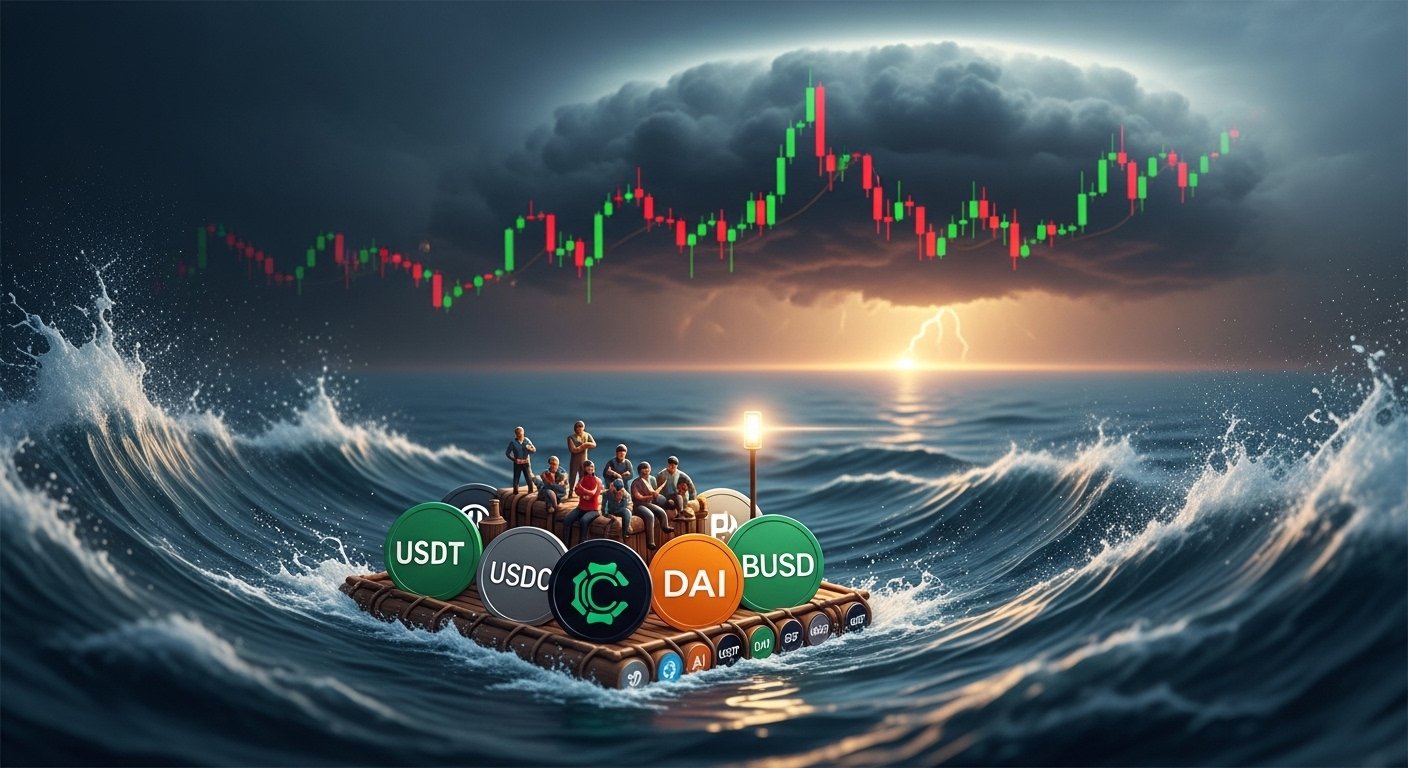
When volatility increases, many crypto investors move funds into stablecoins such as USDT and USDC. These assets are pegged to fiat currencies and provide temporary stability without exiting the blockchain ecosystem. As geopolitical tensions rise, stablecoin volumes often surge. This indicates that while cryptocurrencies under pressure may experience declines, investors are not necessarily abandoning the crypto market entirely. Instead, they are repositioning within the ecosystem, awaiting clearer signals before re-entering more volatile positions.
Regulatory and Political Implications
Geopolitical tensions can also accelerate regulatory scrutiny. Governments may tighten financial oversight during periods of conflict, particularly concerning cross-border transactions and sanctions compliance. Cryptocurrencies, due to their borderless nature, often attract attention during such times. Increased regulation could add another layer of uncertainty to markets already grappling with geopolitical risks. However, greater regulatory clarity may ultimately strengthen the industry by improving investor confidence and institutional participation.
Long-Term Outlook for Cryptocurrencies
While short-term volatility dominates headlines, the long-term fundamentals of blockchain technology remain intact. Innovation in decentralized finance (DeFi), non-fungible tokens (NFTs), and layer-2 scaling solutions continues despite geopolitical turbulence.
Resilience Through Innovation
The recurring theme of cryptocurrencies under pressure does not diminish their transformative potential. Historically, crypto markets have demonstrated resilience after major downturns. Technological development, institutional integration, and increasing global awareness suggest that digital assets are becoming embedded within the broader financial system. Geopolitical events may create temporary turbulence, but they also highlight the importance of decentralized systems that operate independently of traditional political structures.
Investor Strategies During Geopolitical Uncertainty
For investors navigating volatile markets, risk management becomes paramount. Diversification, position sizing, and long-term planning are critical strategies. Rather than reacting emotionally to headlines, experienced traders analyze macroeconomic indicators, liquidity conditions, and technical signals before making decisions. Understanding why cryptocurrencies under pressure during Iran strikes helps investors distinguish between temporary volatility and structural market shifts. Patience and disciplined strategy often prove more effective than impulsive reactions during crisis-driven sell-offs.
Conclusion
The headline “Cryptocurrencies Under Pressure as Iran Strikes Stir Uncertainty” encapsulates a complex and evolving situation. Geopolitical tensions have once again underscored the interconnectedness of global markets, including digital assets.
While cryptocurrencies face short-term volatility during periods of geopolitical conflict, their long-term trajectory remains influenced by technological innovation, institutional adoption, and macroeconomic trends. Bitcoin’s evolving identity as both a risk asset and a potential safe haven continues to shape market narratives.
Ultimately, cryptocurrencies under pressure during times of uncertainty reflect broader investor psychology rather than fundamental weakness. As clarity returns to global markets, digital assets may once again find footing, reinforcing their growing role in the modern financial ecosystem.
