

Intellectual property (IP) is one of the most valuable assets a person or business can own. Patents protect inventions, trademarks protect brands, copyrights protect creative work, and trade secrets protect confidential know-how. In theory, strong IP rights should make it easy to earn revenue. In reality, many creators and companies struggle to capture the real value of what they own.
The problem is not always the quality of the invention or the strength of the brand. The problem is often the system around IP. Ownership records can be unclear. Licensing can be slow and expensive. Royalty reports can be confusing and delayed. IP can be copied online in seconds, while enforcement takes months. Even honest businesses find it hard to prove what they created first or who owns what today. This is why the market value of IP often remains locked behind paperwork, manual tracking, and trust gaps.
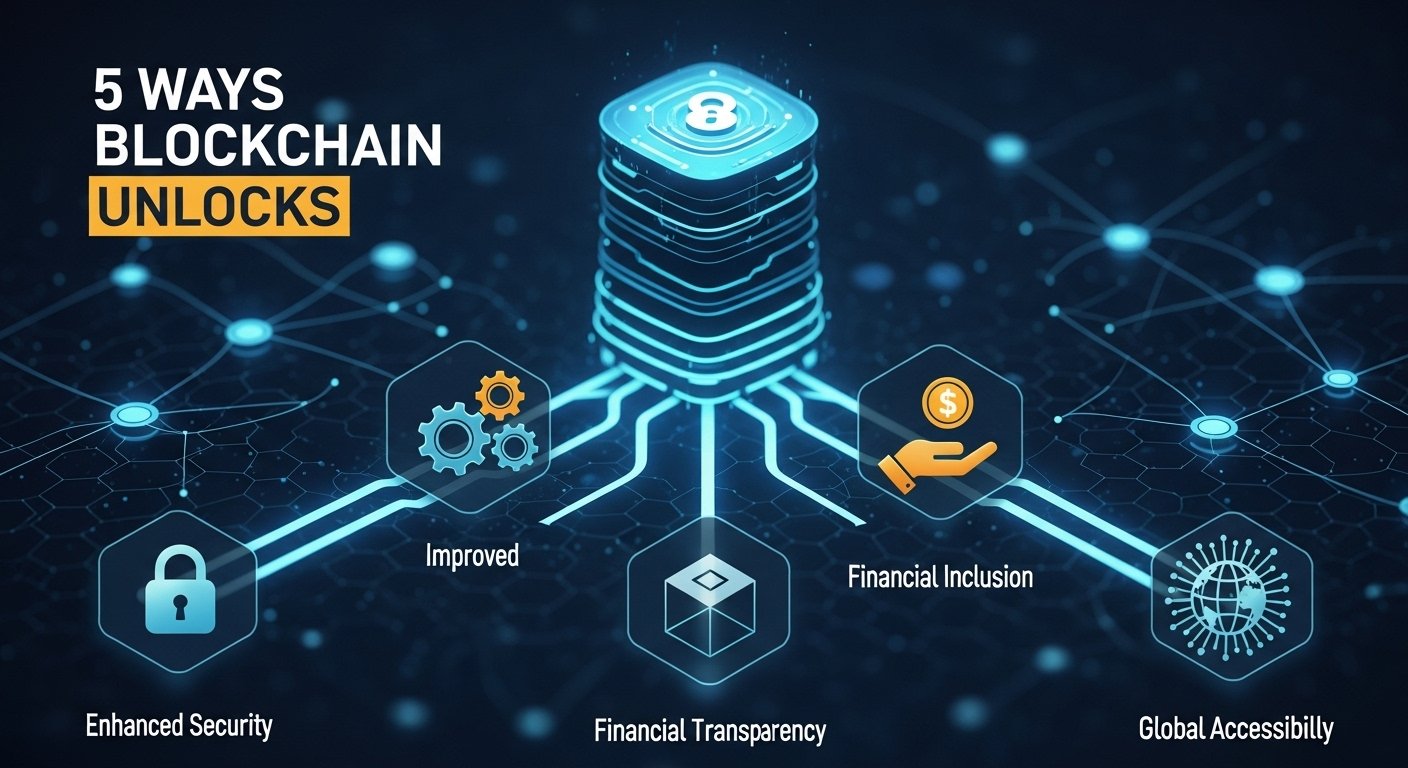
This is where 5 Ways Blockchain Unlocks the full value of IP. Blockchain is a shared digital ledger. It records information in a way that is difficult to change later. It also makes it easier for different parties to agree on the same facts without relying on one central database. When applied to intellectual property, blockchain supports clearer records, faster deals, and more transparent payments. It can also reduce disputes because the history of an IP asset—who created it, who owned it, and how it was licensed—can be tracked more reliably.
To keep the discussion practical, this article explains five ways blockchain is unlocking the full value of IP. You will also see related ideas such as distributed ledger technology, smart contracts, on-chain proof, tokenization, and digital rights management. The goal is to show how blockchain can make IP easier to protect, easier to monetize, and easier to scale—without turning the topic into technical jargon.
Stronger Proof of Ownership and Clearer Provenance
One of the biggest reasons IP loses value is uncertainty. If a buyer, investor, or licensee is not confident about ownership, they will either walk away or offer less money. Ownership uncertainty is common because IP is created through collaboration. A patent may involve multiple inventors. A marketing campaign may include photographers, designers, writers, and agencies. Software may be built by teams that change over time. When the paperwork is scattered, proving ownership becomes slow and expensive.
This is one of the simplest ways blockchain is unlocking the full value of IP. Blockchain can store a time-stamped record that shows when a work existed and who claimed authorship at that moment. A common method is to store a cryptographic hash. A hash is like a unique fingerprint of a file. If the file changes, the fingerprint changes. By placing the fingerprint on-chain, creators can later prove that a specific version of a work existed at a certain time.
Why blockchain proof helps even when legal registration still matters
Blockchain does not automatically replace patent offices, copyright registries, or trademark filings. Legal systems still rely on formal registration processes in many cases. But blockchain can strengthen your documentation. If there is a dispute about who created something first, a blockchain timestamp can support your story. If a company wants to show a clean chain of ownership for due diligence, an on-chain history can add confidence.
This matters because IP value is strongly tied to trust. If you reduce doubt, you reduce friction. Less friction means faster deals, lower legal costs, and higher market value. That is blockchain unlocking the full value of IP in a very direct way: it makes ownership easier to verify.
Cleaner IP history increases deal speed and asset value
Provenance is not only about creation. It also includes assignments, transfers, and licensing events. If an IP asset has passed through many hands, it can become difficult to confirm that every transfer was valid. Blockchain-based records can help maintain a clearer timeline. That timeline can make acquisitions and licensing negotiations smoother because fewer questions remain unanswered.
Faster, Simpler Licensing Through Smart Contracts
Licensing is where IP turns into revenue. A patent can be licensed to manufacturers. A brand can be licensed for merchandise. A photo can be licensed for marketing. Software can be licensed as a product or as an API. The licensing model is powerful because it scales. You can license the same IP to many parties without selling it.
The difficulty is management. Licensing often requires negotiation, contract drafting, monitoring usage, and chasing payments. Even when both parties are honest, mistakes happen. Terms are misunderstood. Renewals are missed. Royalties are calculated differently by different teams. This is another major area where blockchain is unlocking the full value of IP.
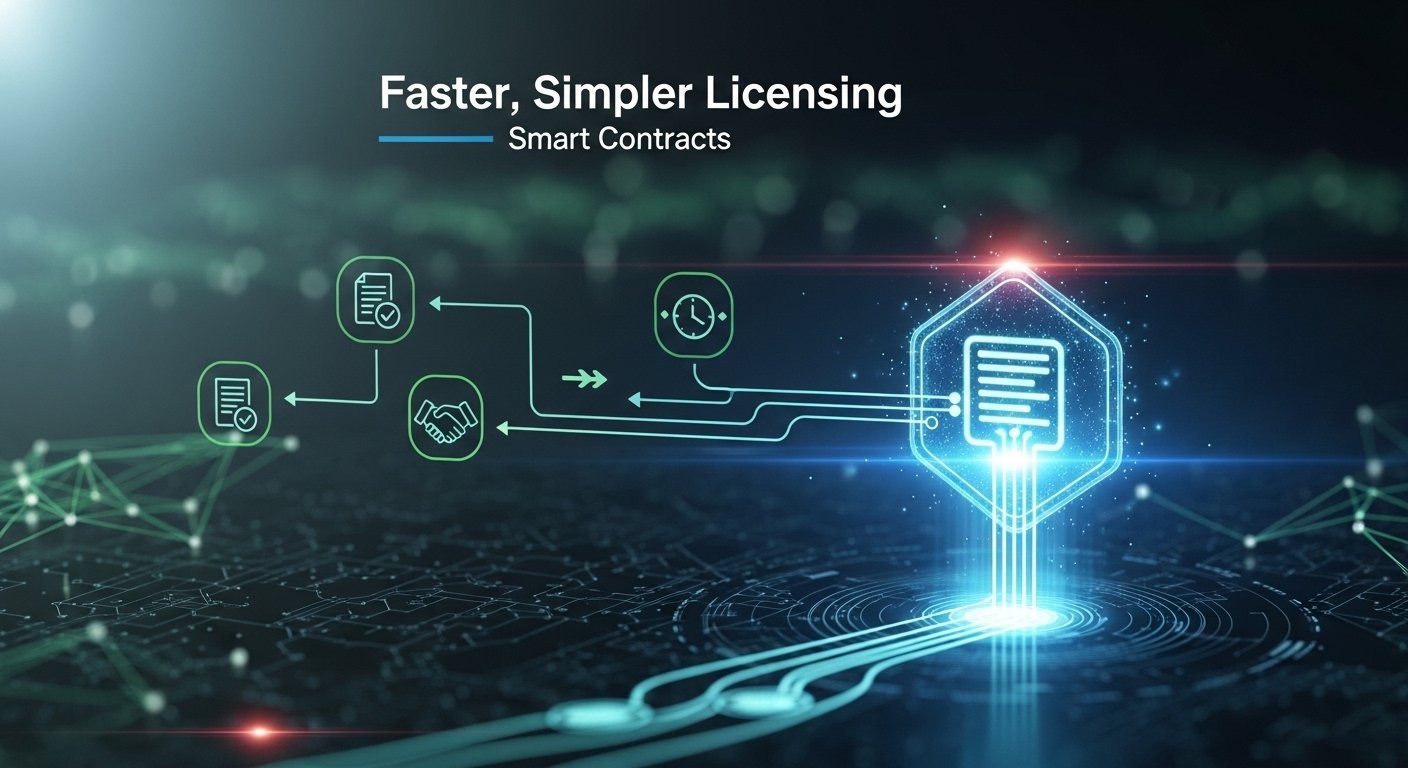
Smart contracts help by automating parts of the licensing process. A smart contract is code that runs on a blockchain. It can execute certain actions when conditions are met. For example, it can confirm payment before access is granted. It can set a time limit so a license expires automatically. It can record the terms so both sides can verify what was agreed.
Licensing terms become more transparent and easier to enforce
When licensing data is recorded in a shared system, misunderstandings decrease. A license can be linked to a clear record of who holds rights, what rights were granted, and what restrictions apply. This supports digital rights management because permissions can be checked and verified more consistently.
This does not mean every legal clause becomes code. Many licensing agreements contain complex language that still requires human judgment. But the operational parts—payments, dates, access rules, renewal triggers—can be automated. That reduces administrative work and makes licensing more scalable.
Self-service licensing can expand revenue opportunities
Creators and businesses often lose money because licensing feels too slow for small deals. A small brand might want a single photo for a limited campaign. A startup might want access to a dataset for a short period. If the licensing process is heavy, many potential customers will not bother.
Blockchain-based licensing systems can support more flexible and smaller transactions. That opens new markets and helps creators monetize more consistently. In this way, blockchain is unlocking the full value of IP by making licensing easier to buy and easier to sell.
Better Royalty Tracking and More Transparent Payments
Royalty systems are famous for complexity. This is especially true in music, publishing, film, and digital media, where revenue passes through multiple intermediaries. One platform reports usage one way. A distributor reports it another way. A publisher applies different rules. Then the creator receives a payment months later without clear details.
This system creates three problems. First, creators do not know if they are being paid fairly. Second, businesses spend time reconciling reports instead of growing. Third, disputes become common because everyone is working from different data. This is a major reason blockchain is unlocking the full value of IP has become such an important topic.
Blockchain can provide a shared ledger for royalty-related events. It can record who owns what percentage of rights. It can also record when a payment is triggered and how it is distributed. Even if usage data stays off-chain due to scale and privacy concerns, settlement events can be anchored on-chain so they are easier to audit.
Shared records reduce reconciliation and reporting conflicts
When multiple parties rely on separate databases, reconciliation becomes expensive. A shared ledger reduces mismatches because everyone references the same source of truth for key events. If a license triggers a payment, that payment record can be visible to authorized parties. If revenue splits change due to an updated agreement, that change can be recorded and time-stamped.
Transparency does not mean exposing everything publicly. Many systems use permissioned models so only the right parties can see details. The key improvement is accountability. That accountability is part of blockchain unlocking the full value of IP because it makes royalty income more predictable and easier to trust.
Blockchain can support micro-royalties and new revenue models
Traditional systems were not built for small, high-frequency payments. Blockchain-based settlement can make smaller transactions more practical. This supports new models such as pay-per-use licensing, per-view payments, or per-download splits. When the system can handle small payments reliably, creators can monetize usage that would previously be ignored.
Tokenization and New Ways to Finance IP
Many IP owners sit on valuable assets but struggle to turn them into capital. Patents can be valuable, but they are hard to price and hard to sell quickly. Copyright catalogs can generate steady income, but access to financing is often limited to large players. Small creators and startups often need cash to grow, but they do not want to give up ownership.
This is where tokenization enters the conversation. Tokenization means representing an asset or a set of rights in digital form. In the IP world, tokenization can represent economic participation, such as a share of revenue. It can also represent certain usage rights, depending on how it is structured. This area is one reason people say blockchain is unlocking the full value of IP, because it can improve liquidity and funding options.
Tokenized IP can unlock capital without selling everything
In many practical models, tokenization is about sharing revenue rather than transferring full ownership. For example, a creator may keep control of the IP but sell a limited portion of future royalties to raise funds for new work. A startup might use patents to attract funding by offering structured participation in licensing income.
This approach can benefit both sides. IP owners gain capital. Investors gain exposure to IP-based revenue. If structured responsibly, this can make IP markets more accessible and more efficient.
Better price discovery can strengthen IP markets
One reason IP markets are inefficient is that pricing is unclear. When transactions are private and data is limited, buyers and sellers struggle to agree on fair value. Tokenization models can improve price discovery by creating more transparent transaction history. Over time, clearer pricing signals can make IP easier to finance and trade.
Regulatory compliance is essential here. Depending on structure and jurisdiction, tokenized offerings may fall under securities rules. Still, the broader point remains: blockchain is unlocking the full value of IP by enabling new financial structures that reduce friction.
Stronger Protection Through Traceability and Evidence
IP enforcement is often slow, especially online. Content can be copied instantly, while takedowns and lawsuits take time. Counterfeits can spread across marketplaces faster than brands can respond. This makes IP feel fragile, even when legal rights exist.
Blockchain helps by improving traceability and evidence. If an IP asset is recorded with a verified fingerprint and linked to licensing records, it becomes easier to show authenticity. If disputes arise, on-chain records can help establish timelines and usage permissions. This is another practical way blockchain is unlocking the full value of IP.
Authenticity signals reduce counterfeit risk and build trust
For physical goods, blockchain is often paired with secure identifiers such as QR codes, NFC tags, or serialized packaging. The blockchain record can show the product’s origin and movement through the supply chain. This does not stop all counterfeits, but it can make verification easier for buyers and partners.
For digital assets, blockchain can help verify which version is original and which uses were licensed. That supports trust in marketplaces and reduces the economic harm of copying.
Better evidence can make enforcement faster and less costly
In many disputes, the biggest cost is gathering evidence. Who created the work first? When was it shared? What permissions were granted? When did the alleged misuse occur? If records are scattered, the investigation becomes expensive. Blockchain-based records can reduce that burden by providing time-stamped proof and a clearer chain of custody.
This does not replace legal action, but it strengthens the operational foundation of enforcement. That is blockchain unlocking the full value of IP in a realistic way: it improves the odds that rights can be defended without excessive cost.
Conclusion
IP is valuable, but its value often stays trapped behind slow processes, unclear records, and trust gaps. Blockchain is unlocking the full value of IP by improving how ownership is proven, how licensing is managed, how royalties are tracked, how IP is financed, and how infringement is challenged.
When used well, blockchain does not just protect IP. It helps IP move faster in the market. It supports cleaner transactions, more transparent payments, and new business models that can benefit creators and companies alike. The future of IP will still require strong law, strong contracts, and smart strategy. But blockchain can make the system around IP more efficient, more auditable, and more scalable—so that more of the value stays where it belongs.
FAQs
Q: Does blockchain registration replace patents or trademarks?
No. Patents and trademarks usually require formal government registration. Blockchain records can support proof of timing, provenance, and transfers, but they do not automatically replace legal filings.
Q: What type of IP works best with blockchain systems?
Blockchain systems are often most useful for IP that is licensed frequently or shared widely, such as digital media, software, brand assets, and patent portfolios with multiple licensees.
Q: Are smart contracts legally binding for IP licensing?
Smart contracts can support legally binding agreements, but enforceability depends on jurisdiction and how the overall contract is structured. Many organizations use smart contracts to automate execution while keeping a traditional legal contract for full terms.
Q: Can blockchain reduce royalty delays for creators?
It can. Blockchain-based settlement systems can reduce reconciliation friction and make distributions more transparent. However, real-world results depend on adoption by platforms and rights holders.
Q: Is tokenized IP safe for creators and investors?
It can be, if structured carefully with legal compliance, clear disclosure, and proper governance. Because regulations vary, tokenized IP projects should be designed with experienced legal and financial guidance.
Also More: Blockchain and AI Relationship How They Reinforce Each Other
