

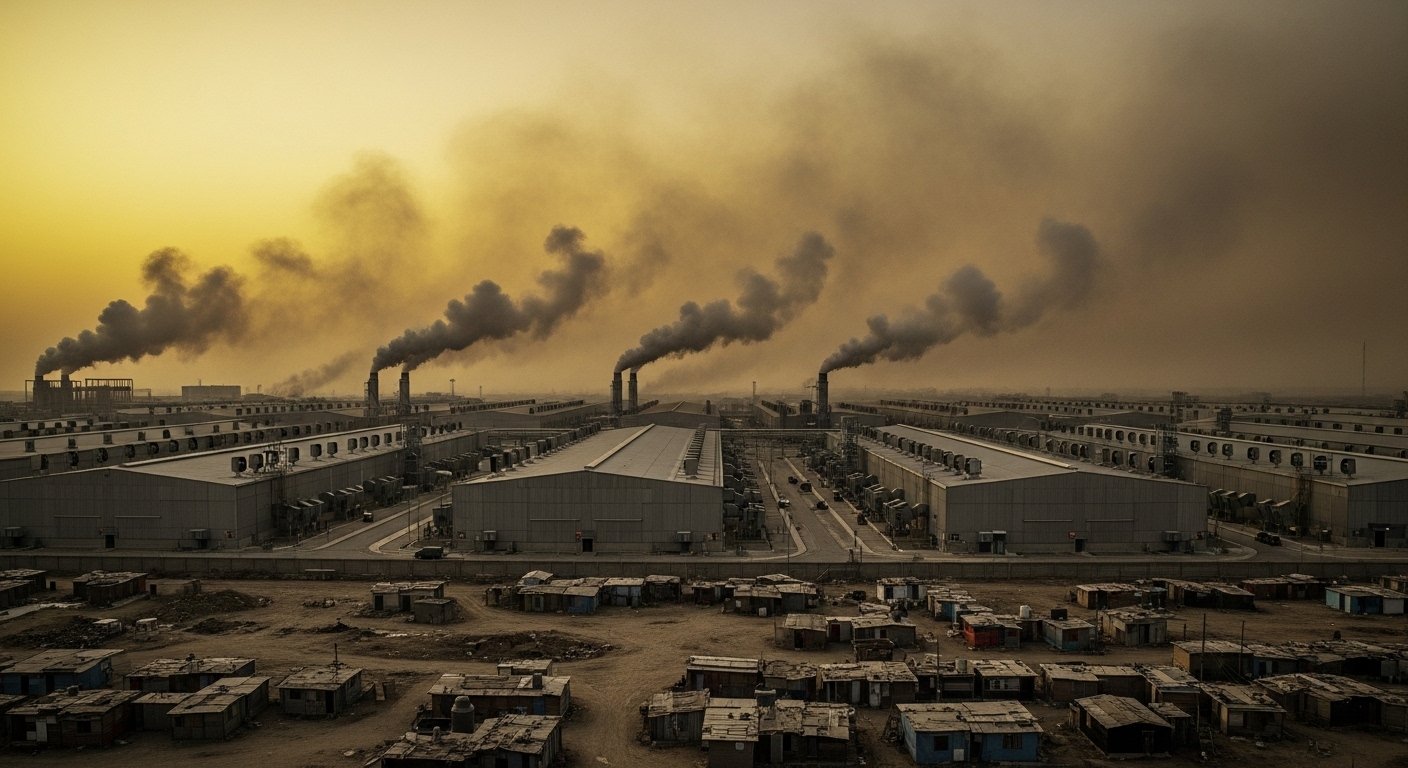
The rapid rise of Bitcoin has transformed the global financial landscape, but its environmental consequences are becoming increasingly difficult to ignore. One of the most pressing concerns is Bitcoin mining air pollution, which is now linked to growing health risks across various regions. As mining operations expand and energy consumption surges, harmful emissions from fossil fuel-based electricity generation are contributing to deteriorating air quality.
While digital currencies promise decentralization and financial innovation, the environmental cost—especially in terms of air pollution—raises serious questions. This article explores how Bitcoin mining air pollution affects human health, the environment, and what can be done to mitigate these harmful effects.
What Is Bitcoin Mining Air Pollution?
Bitcoin mining air pollution refers to the harmful emissions generated during the energy-intensive process of mining Bitcoin. Mining involves solving complex mathematical problems using powerful computers, which consume massive amounts of electricity.
In many regions, this electricity is generated from fossil fuels such as coal and natural gas. As a result, mining operations release pollutants like carbon dioxide (CO₂), sulfur dioxide (SO₂), and nitrogen oxides (NOx), all of which degrade air quality.
How Bitcoin Mining Works
To understand Bitcoin mining emissions, it’s important to grasp the basics of mining. Bitcoin relies on a consensus mechanism called proof-of-work, where miners compete to validate transactions. This process requires high computational power, leading to increased electricity consumption.
The more Bitcoin demand rises, the more mining activity increases—ultimately intensifying cryptocurrency mining pollution.
The Link Between Bitcoin Mining and Air Pollution
Fossil Fuel Dependency
A significant portion of global Bitcoin mining operations still rely on fossil fuel-based energy. Regions with cheap coal-powered electricity often become mining hotspots. This dependency directly contributes to Bitcoin mining air pollution levels. Mining farms emit large amounts of greenhouse gases. These emissions not only contribute to climate change but also worsen local air quality. Studies have shown that areas with heavy mining activity experience higher concentrations of fine particulate matter (PM2.5), a dangerous pollutant.
Geographic Impact
Countries and regions with lax environmental regulations often host large mining operations. This shifts the burden of air pollution from Bitcoin mining onto vulnerable populations who may already face environmental challenges. The direct impact of Bitcoin mining air pollution on human health is alarming. Exposure to polluted air can lead to severe respiratory and cardiovascular diseases.
Respiratory Issues
Pollutants released during mining operations can irritate the lungs and airways. Long-term exposure increases the risk of asthma, bronchitis, and other chronic respiratory conditions. Fine particulate matter enters the bloodstream, leading to heart disease and increased risk of strokes. Researchers now link the rise in Bitcoin mining’s environmental impact to these health complications.
Premature Deaths
According to environmental research, air pollution is one of the leading causes of premature deaths globally. The contribution of cryptocurrency mining pollution adds to this growing crisis.
Economic Costs of Bitcoin Mining Pollution
The hidden costs of Bitcoin mining air pollution extend beyond health. Governments and communities bear the financial burden of increased healthcare expenses and environmental damage. Healthcare systems face pressure due to pollution-related illnesses. Additionally, reduced productivity and environmental cleanup efforts further strain economies.
Environmental Impact Beyond Air Pollution
Climate Change Contribution
The carbon footprint of Bitcoin mining is comparable to that of some small countries. This accelerates global warming and intensifies extreme weather patterns. Mining facilities require cooling systems that consume water resources. Additionally, infrastructure development can lead to land degradation, further harming ecosystems.
Why Bitcoin Mining Is Energy-Intensive
The proof-of-work system is inherently energy-demanding. Unlike traditional financial systems, Bitcoin mining requires continuous computational effort. This leads to a surge in electricity demand, especially during periods of high market activity. As a result, Bitcoin mining emissions continue to rise.
Global Efforts to Reduce Bitcoin Mining Pollution
Shift Toward Renewable Energy
Some mining operations are transitioning to renewable energy sources such as solar, wind, and hydroelectric power. This shift can significantly reduce air pollution levels from Bitcoin mining.
Regulatory Measures
Governments are introducing policies to control mining activities. These include energy usage limits and environmental regulations aimed at reducing emissions.
Technological Innovations
New mining technologies are being developed to improve energy efficiency. These innovations could help lower the environmental impact of cryptocurrency mining.
Public Awareness and Responsibility
As awareness of Bitcoin mining air pollution grows, individuals and organizations are demanding more sustainable practices. Investors are also considering environmental factors when supporting cryptocurrency projects.
The future of Bitcoin mining depends on balancing innovation with sustainability. If current trends continue, cryptocurrency’s environmental impact could worsen. However, with proper regulation and technological advancements, it is possible to reduce pollution levels.
Conclusion
The rise of digital currencies has brought undeniable innovation, but the environmental consequences cannot be ignored. Bitcoin mining air pollution is a growing concern that affects both human health and the planet. From respiratory illnesses to climate change, the impact is far-reaching and demands immediate attention.
As the world moves toward a more sustainable future, it is crucial for governments, companies, and individuals to address the environmental challenges posed by cryptocurrency mining. Supporting cleaner energy solutions and responsible mining practices can significantly reduce the harmful effects of Bitcoin mining air pollution.
Take action today by staying informed, supporting eco-friendly crypto initiatives, and advocating for sustainable practices in the digital economy.
See more;Best Bitcoin ASIC Miner 2025 Top Mining Hardware Reviews & Guide
